<?xml version="1.0"?><!DOCTYPE html PUBLIC "-//W3C//DTD XHTML 1.1 plus MathML 2.0//EN" "http://www.w3.org/Math/DTD/mathml2/xhtml-math11-f.dtd">
<html xmlns="http://www.w3.org/1999/xhtml" xmlns:m="http://www.w3.org/1998/Math/MathML">
<head>
<OBJECT ID="mathplayer" CLASSID="clsid:32F66A20-7614-11D4-BD11-00104BD3F987"> <!--comment required to prevent this becoming an empty tag--></OBJECT>
<?IMPORT NAMESPACE="m" IMPLEMENTATION="#mathplayer" ?>
<!--
 <script type="text/javascript" src="http://cdn.mathjax.org/mathjax/latest/MathJax.js?config=MML_HTMLorMML" />
-->
<script src="https://polyfill.io/v3/polyfill.min.js?features=es6"></script>
<script id="MathJax-script" src="https://cdn.jsdelivr.net/npm/mathjax@3/es5/tex-mml-chtml.js"></script>


<meta name="GENERATOR" content="TtM 3.72" />
 <style type="text/css">
 div.p { margin-top: 7pt; }
 span.roman {font-family: serif; font-style: normal; font-weight: normal;} 
</style>
<title>V.II.10.1</title>
<link rel="stylesheet" href="/mathdisplay.css" type="text/css" />
</head>
<body>
<div class="feladat">
<b>Feladat: 10.1.</b><br /> <a name="valszamfelt10ha20110404" /><a href="bib_box.php?mode=sne-s-j-&amp;citation_num=" target="bib_box" onclick="mutat('bib_box.php?mode=sne-s-j-&amp;citation_num='); return false;"></a> Tíz azonos alakú doboz közül az első 9-ben 4-4 golyó van, mégpedig 2 fehér és 2 kék. A tizedik dobozban 5 fehér és 1 kék golyó van. Az egyik találomra választott dobozból véletlenszerűen kiveszünk egy golyót. 

<div class="p"><!----></div>

<b>a)</b> Mennyi a valószínűsége, hogy fehér lesz?

<div class="p"><!----></div>

<b>b)</b> A kivett golyó fehér lett. Mennyi a valószínűsége, hogy a tizedik dobozból való?
<br />&nbsp;<br /></div>
<div class="feladat">
<a name="_solution_valszamfelt10ha20110404" /><b>Megoldás: 10.1</b><br />
<b>1. megoldás.</b>  <b>a)</b> <em>Hibás megoldás</em>

<div class="p"><!----></div>

Összesen <m:math xmlns="http://www.w3.org/1998/Math/MathML">

<m:mrow><m:mn>42</m:mn></m:mrow></m:math> golyó van és ezekből <m:math xmlns="http://www.w3.org/1998/Math/MathML">

<m:mrow><m:mn>23</m:mn></m:mrow></m:math> fehér, tehát <m:math xmlns="http://www.w3.org/1998/Math/MathML">

<m:mrow>

<m:mfrac><m:mrow><m:mn>23</m:mn></m:mrow>

<m:mrow><m:mn>42</m:mn></m:mrow>

</m:mfrac>

</m:mrow></m:math> a kérdezett valószínűség.

<div class="p"><!----></div>

Ez a megoldás hibás. Módosítsuk a feladatot! Képzeljük el, hogy az első <m:math xmlns="http://www.w3.org/1998/Math/MathML">

<m:mrow><m:mn>9</m:mn></m:mrow></m:math> dobozban egy-egy kék golyó van és fehér golyó egyáltalán nincs bennük, míg a <m:math xmlns="http://www.w3.org/1998/Math/MathML">

<m:mrow><m:mn>10</m:mn><m:mo>.</m:mo></m:mrow></m:math> dobozban <m:math xmlns="http://www.w3.org/1998/Math/MathML">

<m:mrow><m:mn>81</m:mn></m:mrow></m:math> fehér golyó van és nincs kék! A fenti gondolatmenettel ebben az esetben azt kapnánk, hogy <m:math xmlns="http://www.w3.org/1998/Math/MathML">

<m:mrow>

<m:mfrac><m:mrow><m:mn>81</m:mn></m:mrow>

<m:mrow><m:mn>90</m:mn></m:mrow>

</m:mfrac>

<m:mo>=</m:mo>

<m:mfrac><m:mrow><m:mn>9</m:mn></m:mrow>

<m:mrow><m:mn>10</m:mn></m:mrow>

</m:mfrac>

</m:mrow></m:math> a fehér golyó húzásának esélye és <m:math xmlns="http://www.w3.org/1998/Math/MathML">

<m:mrow>

<m:mfrac><m:mrow><m:mn>1</m:mn></m:mrow>

<m:mrow><m:mn>10</m:mn></m:mrow>

</m:mfrac>

</m:mrow></m:math> a kék golyó húzásáé, holott épp fordított a helyzet: <m:math xmlns="http://www.w3.org/1998/Math/MathML">

<m:mrow>

<m:mfrac><m:mrow><m:mn>9</m:mn></m:mrow>

<m:mrow><m:mn>10</m:mn></m:mrow>

</m:mfrac>

</m:mrow></m:math> az esélye, hogy az első <m:math xmlns="http://www.w3.org/1998/Math/MathML">

<m:mrow><m:mn>9</m:mn></m:mrow></m:math> doboz valamelyikét választjuk, azaz kéket húzunk és csak <m:math xmlns="http://www.w3.org/1998/Math/MathML">

<m:mrow>

<m:mfrac><m:mrow><m:mn>1</m:mn></m:mrow>

<m:mrow><m:mn>10</m:mn></m:mrow>

</m:mfrac>

</m:mrow></m:math> a valószínűsége, hogy az utolsó dobozt választjuk, azaz fehéret húzunk.
<br />&nbsp;<br /><b>2. megoldás.</b>  <b>a)</b> 

Mindegyik doboz választása egyforma, mindegyiké <m:math xmlns="http://www.w3.org/1998/Math/MathML">

<m:mrow>

<m:mfrac><m:mrow><m:mn>1</m:mn></m:mrow>

<m:mrow><m:mn>10</m:mn></m:mrow>

</m:mfrac>

</m:mrow></m:math>. Annak esélye, hogy az első dobozból húzunk, és az fehér lesz <m:math xmlns="http://www.w3.org/1998/Math/MathML">

<m:mrow>

<m:mfrac><m:mrow><m:mn>1</m:mn></m:mrow>

<m:mrow><m:mn>20</m:mn></m:mrow>

</m:mfrac>

</m:mrow></m:math>. Tehát ha <m:math xmlns="http://www.w3.org/1998/Math/MathML">

<m:mrow><m:mi>F</m:mi></m:mrow></m:math> jelöli azt az eseményt, hogy fehéret húzunk, <m:math xmlns="http://www.w3.org/1998/Math/MathML">

<m:mrow>

<m:msub><m:mrow><m:mi>A</m:mi></m:mrow><m:mrow><m:mi>k</m:mi></m:mrow>

</m:msub>

</m:mrow></m:math> <m:math xmlns="http://www.w3.org/1998/Math/MathML">

<m:mrow><m:mi>k</m:mi><m:mo>&isin;</m:mo><m:mo stretchy="false">{</m:mo><m:mn>1</m:mn><m:mo>,</m:mo><m:mn>2</m:mn><m:mo>,</m:mo><m:mo>&#x2026;</m:mo><m:mo>,</m:mo><m:mn>10</m:mn><m:mo stretchy="false">}</m:mo></m:mrow></m:math> pedig azt, hogy az <m:math xmlns="http://www.w3.org/1998/Math/MathML">

<m:mrow><m:mi>k</m:mi><m:mo>.</m:mo></m:mrow></m:math> dobozból húzunk, akkor <br />

<table width="100%"><tr><td align="center">

    <m:math xmlns="http://www.w3.org/1998/Math/MathML">

    <m:mstyle displaystyle="true"><m:mrow><m:mi>p</m:mi><m:mo stretchy="false">(</m:mo>

<m:msub><m:mrow><m:mi mathvariant="italic">FA</m:mi></m:mrow><m:mrow><m:mn>1</m:mn></m:mrow>

</m:msub>

<m:mo stretchy="false">)</m:mo><m:mo>=</m:mo>

<m:mfrac><m:mrow><m:mn>1</m:mn></m:mrow>

<m:mrow><m:mn>10</m:mn></m:mrow>

</m:mfrac>

<m:mo>&middot;</m:mo>

<m:mfrac><m:mrow><m:mn>1</m:mn></m:mrow>

<m:mrow><m:mn>2</m:mn></m:mrow>

</m:mfrac>

<m:mo>=</m:mo>

<m:mfrac><m:mrow><m:mn>1</m:mn></m:mrow>

<m:mrow><m:mn>20</m:mn></m:mrow>

</m:mfrac>

<m:mo>,</m:mo></m:mrow>

    </m:mstyle></m:math>

</td></tr></table>

<br />

és általában <m:math xmlns="http://www.w3.org/1998/Math/MathML">

<m:mrow><m:mi>k</m:mi><m:mo>&isin;</m:mo><m:mo stretchy="false">{</m:mo><m:mn>1</m:mn><m:mo>,</m:mo><m:mn>2</m:mn><m:mo>,</m:mo><m:mo>&#x2026;</m:mo><m:mo>,</m:mo><m:mn>9</m:mn><m:mo stretchy="false">}</m:mo></m:mrow></m:math> esetén <m:math xmlns="http://www.w3.org/1998/Math/MathML">

<m:mrow><m:mi>p</m:mi><m:mo stretchy="false">(</m:mo>

<m:msub><m:mrow><m:mi mathvariant="italic">FA</m:mi></m:mrow><m:mrow><m:mi>k</m:mi></m:mrow>

</m:msub>

<m:mo stretchy="false">)</m:mo><m:mo>=</m:mo>

<m:mfrac><m:mrow><m:mn>1</m:mn></m:mrow>

<m:mrow><m:mn>20</m:mn></m:mrow>

</m:mfrac>

<m:mo>,</m:mo></m:mrow></m:math>

míg 

<br />

<table width="100%"><tr><td align="center">

    <m:math xmlns="http://www.w3.org/1998/Math/MathML">

    <m:mstyle displaystyle="true"><m:mrow><m:mi>p</m:mi><m:mo stretchy="false">(</m:mo>

<m:msub><m:mrow><m:mi mathvariant="italic">FA</m:mi></m:mrow><m:mrow><m:mn>10</m:mn></m:mrow>

</m:msub>

<m:mo stretchy="false">)</m:mo><m:mo>=</m:mo>

<m:mfrac><m:mrow><m:mn>1</m:mn></m:mrow>

<m:mrow><m:mn>10</m:mn></m:mrow>

</m:mfrac>

<m:mo>&middot;</m:mo>

<m:mfrac><m:mrow><m:mn>5</m:mn></m:mrow>

<m:mrow><m:mn>6</m:mn></m:mrow>

</m:mfrac>

<m:mo>=</m:mo>

<m:mfrac><m:mrow><m:mn>1</m:mn></m:mrow>

<m:mrow><m:mn>12</m:mn></m:mrow>

</m:mfrac>

<m:mo>.</m:mo></m:mrow>

    </m:mstyle></m:math>

</td></tr></table>

<br />

Így annak esélye, hogy fehéret húzunk:

<br />

<table width="100%"><tr><td align="center">

    <m:math xmlns="http://www.w3.org/1998/Math/MathML">

    <m:mstyle displaystyle="true"><m:mrow><m:mi>p</m:mi><m:mo stretchy="false">(</m:mo><m:mi>F</m:mi><m:mo stretchy="false">)</m:mo><m:mo>=</m:mo><m:mi>p</m:mi><m:mo stretchy="false">(</m:mo>

<m:msub><m:mrow><m:mi mathvariant="italic">FA</m:mi></m:mrow><m:mrow><m:mn>1</m:mn></m:mrow>

</m:msub>

<m:mo stretchy="false">)</m:mo><m:mo>+</m:mo><m:mi>p</m:mi><m:mo stretchy="false">(</m:mo>

<m:msub><m:mrow><m:mi mathvariant="italic">FA</m:mi></m:mrow><m:mrow><m:mn>2</m:mn></m:mrow>

</m:msub>

<m:mo stretchy="false">)</m:mo><m:mo>+</m:mo><m:mo>&#x2026;</m:mo><m:mo>+</m:mo><m:mi>p</m:mi><m:mo stretchy="false">(</m:mo>

<m:msub><m:mrow><m:mi mathvariant="italic">FA</m:mi></m:mrow><m:mrow><m:mn>10</m:mn></m:mrow>

</m:msub>

<m:mo stretchy="false">)</m:mo><m:mo>=</m:mo><m:mn>9</m:mn><m:mo>&middot;</m:mo>

<m:mfrac><m:mrow><m:mn>1</m:mn></m:mrow>

<m:mrow><m:mn>20</m:mn></m:mrow>

</m:mfrac>

<m:mo>+</m:mo>

<m:mfrac><m:mrow><m:mn>1</m:mn></m:mrow>

<m:mrow><m:mn>12</m:mn></m:mrow>

</m:mfrac>

<m:mo>=</m:mo>

<m:mfrac><m:mrow><m:mn>8</m:mn></m:mrow>

<m:mrow><m:mn>15</m:mn></m:mrow>

</m:mfrac>

<m:mo>.</m:mo></m:mrow>

    </m:mstyle></m:math>

</td></tr></table>

<br />

<div class="p"><!----></div>

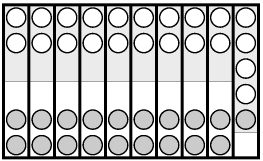
Az <a href="chapter.php?mode=sne-s-j-&amp;volume=v_ii&amp;code=V.II&amp;chapter=chs_v_ii/v_ii_felt&amp;chapternum=10&amp;topic=Valószínűségszámítás és statisztika&amp;yearpair=9--10#fig:valszamfelt10ha20110404meg02a" target="_blank">1</a>. ábrán úgy rajzoltuk a dobozokat, hogy egyenlő nagyságúak legyenek és minden egyes doboznak annyiad részét festettük halványszürkére amennyi a dobozban a fehér golyók aránya. A kérdés az, hogy a teljes területnek - a dobozok összterületének - hányad része a szürke terület.
<div class="p"><!----></div>

<a name="fig:valszamfelt10ha20110404meg02a" /><div align="center"><img src="/cache/figures/chs_v_ii/valszamfelt10ha20110404meg02a.png" /><br />1. ábra</div>

<div class="p"><!----></div>

<b>b)</b> 

<div class="p"><!----></div>

Most az a kérdés, hogy  a fenti szürke területnek hányad része esik a <m:math xmlns="http://www.w3.org/1998/Math/MathML">

<m:mrow><m:mn>10</m:mn><m:mo>.</m:mo></m:mrow></m:math> dobozba. 

A szürke terület aránya az egészhez <m:math xmlns="http://www.w3.org/1998/Math/MathML">

<m:mrow><m:mi>p</m:mi><m:mo stretchy="false">(</m:mo><m:mi>F</m:mi><m:mo stretchy="false">)</m:mo><m:mo>=</m:mo>

<m:mfrac><m:mrow><m:mn>8</m:mn></m:mrow>

<m:mrow><m:mn>15</m:mn></m:mrow>

</m:mfrac>

</m:mrow></m:math>, a <m:math xmlns="http://www.w3.org/1998/Math/MathML">

<m:mrow><m:mn>10</m:mn><m:mo>.</m:mo></m:mrow></m:math> doboz szürke részének aránya az egészhez 

<m:math xmlns="http://www.w3.org/1998/Math/MathML">

<m:mrow><m:mi>p</m:mi><m:mo stretchy="false">(</m:mo>

<m:msub><m:mrow><m:mi mathvariant="italic">FA</m:mi></m:mrow><m:mrow><m:mn>10</m:mn></m:mrow>

</m:msub>

<m:mo stretchy="false">)</m:mo><m:mo>=</m:mo>

<m:mfrac><m:mrow><m:mn>1</m:mn></m:mrow>

<m:mrow><m:mn>12</m:mn></m:mrow>

</m:mfrac>

<m:mo>,</m:mo></m:mrow></m:math> így a kérdezett valószínűség:

<br />

<table width="100%"><tr><td align="center">

    <m:math xmlns="http://www.w3.org/1998/Math/MathML">

    <m:mstyle displaystyle="true"><m:mrow>

<m:mfrac><m:mrow><m:mi>p</m:mi><m:mo stretchy="false">(</m:mo>

<m:msub><m:mrow><m:mi mathvariant="italic">FA</m:mi></m:mrow><m:mrow><m:mn>10</m:mn></m:mrow>

</m:msub>

<m:mo stretchy="false">)</m:mo></m:mrow>

<m:mrow><m:mi>p</m:mi><m:mo stretchy="false">(</m:mo><m:mi>F</m:mi><m:mo stretchy="false">)</m:mo></m:mrow>

</m:mfrac>

<m:mo>=</m:mo>

<m:mfrac><m:mrow>

<m:mfrac><m:mrow><m:mn>1</m:mn></m:mrow>

<m:mrow><m:mn>12</m:mn></m:mrow>

</m:mfrac>

</m:mrow>

<m:mrow>

<m:mfrac><m:mrow><m:mn>8</m:mn></m:mrow>

<m:mrow><m:mn>15</m:mn></m:mrow>

</m:mfrac>

</m:mrow>

</m:mfrac>

<m:mo>=</m:mo>

<m:mfrac><m:mrow><m:mn>5</m:mn></m:mrow>

<m:mrow><m:mn>32</m:mn></m:mrow>

</m:mfrac>

<m:mo>=</m:mo><m:mn>0</m:mn><m:mo>,</m:mo><m:mn>15625</m:mn><m:mo>.</m:mo></m:mrow>

    </m:mstyle></m:math>

</td></tr></table>

<br />
<br />&nbsp;<br />&nbsp;<br /></div>
</body></html>
